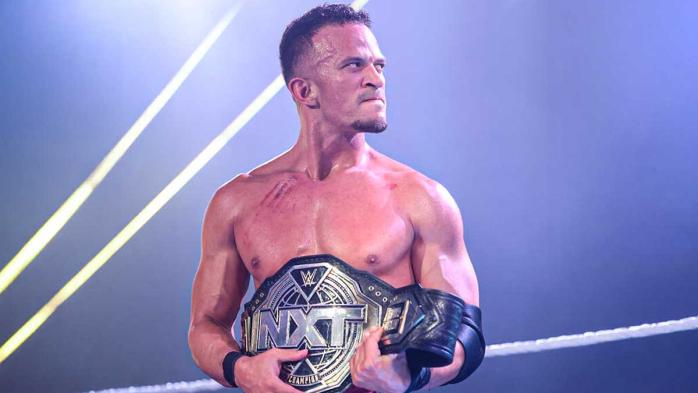

One of the most recurring debates among fans every time a wrestler makes the leap to WWE revolves around their name. While some manage to maintain the identity they forged in the independent circuit, others undergo difficult-to-justify changes that seem to erase years of career in one fell swoop. The explanation, however, is far from creative.
In most cases, the decision does not respond to personal preferences, previous recognition, or the weight of the name among fans. Everything boils down to a much colder and decisive issue within the business: legal control and the possibility of WWE being the absolute owner of that brand.
During a recent Q&A session on Fightful Select, journalist Sean Ross Sapp explained how this process works internally and made it clear that the criterion is simple, although it is not always applied precisely.
If they feel they can acquire the rights to the name, they will do it.
As Sapp explained, that is the starting point for any decision. If WWE believes it can legally register and control a wrestler's name, it will have no problem keeping it. If there are doubts, risks, or potential conflicts, the change becomes almost inevitable, regardless of the talent's history.
However, the system is not without errors. Sapp cited a recent case involving Ricky Starks, which demonstrates that even within WWE there can be confusion about the actual ownership of certain names.
As he recounted, it was mistakenly assumed internally that AEW owned the trademark for the name Ricky Starks, which did not align with reality. The wrestler himself had competed for years under that name, even in previous stages linked to WWE, making that interpretation incomprehensible.
These types of situations highlight that WWE's naming policy, while strategic, is not infallible. Neither having built a solid career in the independent circuit nor having previously worked for the company guarantees retaining an identity. In the end, it all depends on how legal control is perceived at that specific moment.
 ES
ES
 US
US


