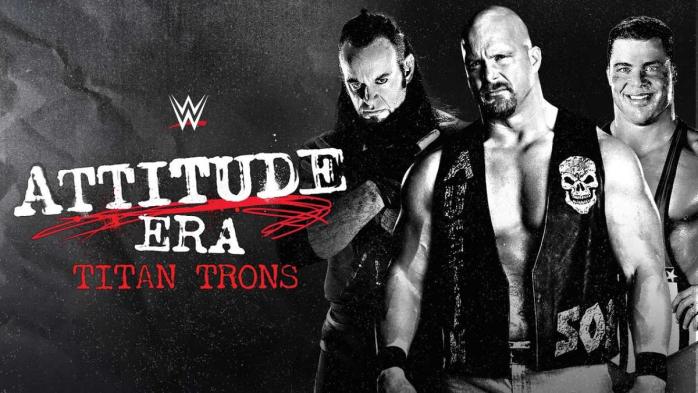

The entrance montages filled with finishers, gestures, and combat scenes were for years an essential part of the presentation of WWE Superstars. However, that format has been progressively replaced by large graphics, logos, names, corporate colors, and animations adapted to the gigantic LED screens that now dominate the company's stages.
According to Sean Ross Sapp, during a Q&A session on Fightful Select, the change was not due to a single reason, but to a combination of technological evolution, presentation decisions, and practical production needs.
Sapp explained that he discussed this issue with a former WWE producer and received a response that included several factors. The company's transition from standard definition to high definition was significant, but the producer also pointed out that there were different philosophies on how each talent's image should be constructed.
I talked about this a while ago with a former WWE producer. He mentioned several things, like the change from SD to HD and all that, but said there was a mix of philosophies.
The expansion of LED screens allowed WWE to create a more uniform and recognizable visual identity for each wrestler. Instead of relying on a compilation of wrestling moves that needed frequent updating, the company could associate a Superstar with a specific aesthetic: their name, a typography, a color palette, a symbol, or a characteristic animation. "The LED sets offered the opportunity to create a brand image for each talent, instead of a compilation of wrestling moves," was the explanation Sapp received from the former producer.
The other major reason had to do with maintaining those videos. A montage based on combat images could quickly become outdated if a wrestler changed characters, modified their appearance, debuted new attire, parted ways with a team, or saw a person featured in the video leave the company. In those cases, the production department had to re-edit the material to prevent the entrance from contradicting the character's current situation. According to the cited producer, from an organizational standpoint, classic videos were difficult to keep up to date with the constant changes in image, stories, and roster.
The result is the model that WWE currently uses: cleaner, more flexible, and easily adaptable visual presentations for LED stages. Although the old TitanTrons held a special value for many fans due to their energy and ability to condense a Superstar's most memorable moments, the modern system reduces the need to remake action videos every time a rivalry or character changes. Sapp acknowledged that he had also wondered for years why that style disappeared and appreciated being able to get an explanation from someone who worked directly in WWE production.
 ES
ES
 US
US


